How to Check Car Engine Oil
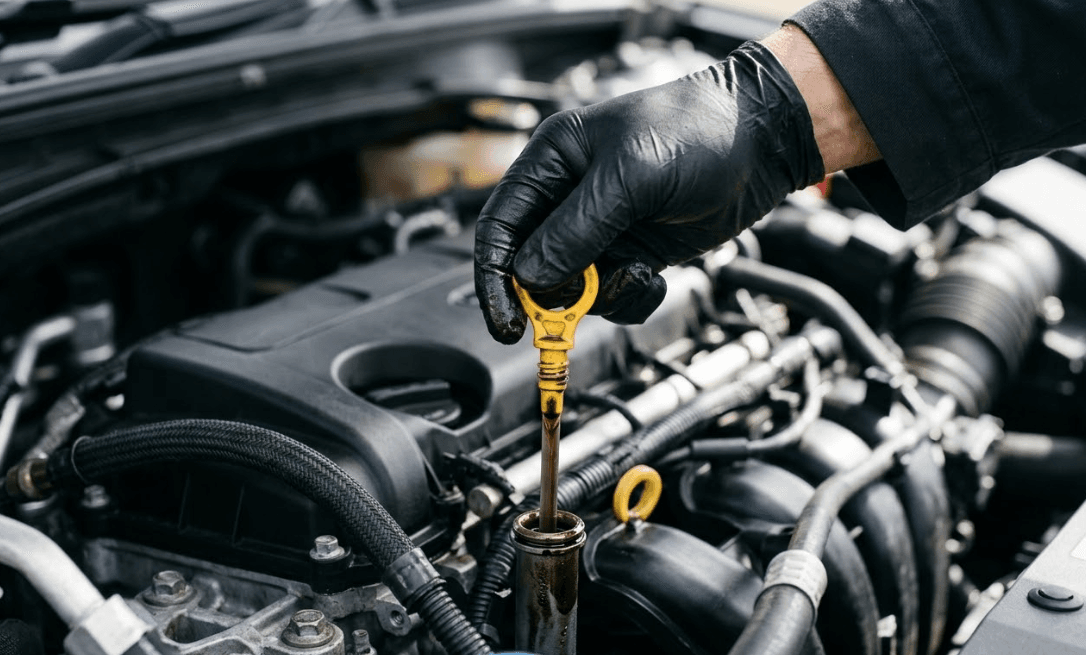
Knowing how to check your engine oil is one of the simplest ways to protect your engine—and one of the most overlooked. A quick check takes just a few minutes, yet it can prevent excessive wear, overheating, and costly repairs. Accuracy matters, too. Using the right oil and checking it correctly ensures your engine continues to feel smooth, sound refined and deliver the performance you expect, no matter if you’re commuting through heavy KL traffic or heading out on a long highway drive.
Signs your engine oil needs checking
Even if your car feels fine, regular checks should be part of your routine—ideally once a month, or every 1,000km.
Engine warning lights
An oil pressure or check engine light may indicate low oil level or poor circulation. Don’t ignore it—by the time the light appears, lubrication may already be compromised.
Unusual engine sounds or overheating
Ticking, knocking or a harsher engine note can signal inadequate lubrication. Without enough oil, internal parts generate more friction and heat, which you may feel through vibration or hear under the bonnet.
Mileage since last check or oil change
Use your odometer as a reminder, especially after long trips or prolonged stop-start driving, which accelerates oil degradation.
What you need before checking
When is the best time to check your oil?
For the most accurate reading, check your oil when the engine is switched off and slightly warm. This allows the oil to settle back into the sump without being too hot to handle.
Tools that make checking easier
These items will help:
- Gloves
- A clean rag or paper towel
- A torch
- A level surface
- A funnel if a top-up is needed
Step-by-step: How to check engine oil
Tired of Googling ‘how do I check engine oil properly’? Well, simply follow these steps:
Locating the dipstick
Open the bonnet and look for a dipstick with a coloured ring handle—often yellow or orange. This is your primary tool to check engine oil level.
Reading the oil level correctly
- Pull out the dipstick and wipe it clean
- Reinsert it fully
- Remove it again and observe the oil mark
The oil should sit between the minimum and maximum markers. Below minimum means you need a top-up; above maximum means overfilling, which can be harmful.
Checking oil condition and colour
Healthy oil looks amber or light brown and flows smoothly. If it appears thick, gritty or excessively dark, it may be time for an oil change rather than just a top-up.
What your oil is telling you
What clean oil should look like
Clean oil is clear, amber-coloured and free from particles. It should coat the dipstick evenly and feel slick between your fingers.
Signs of contamination or engine trouble
- Milky or frothy oil: possible coolant contamination
- Black sludge: oxidised or degraded oil
- Metallic flecks: potential internal wear
If you see any of these, book a visit to your workshop promptly.
Why engine oil matters
Engine oil is the lifeblood of your vehicle. It lubricates moving parts, reduces friction, carries away heat and suspends contaminants until they’re filtered out.
How engine oil protects your engine
High-quality oils like Motul maintain a strong protective film even under heat and pressure. This film reduces wear, keeps the engine quiet and helps maintain that smooth, reassuring feel on every drive.
What happens if you neglect oil checks
Skipping oil checks can lead to:
- Reduced fuel efficiency
- Overheating in traffic
- Accelerated engine wear
- In severe cases, complete engine failure
Choosing the right oil for your engine
Not all oils perform the same. Using the correct specification is just as important as what’s been learned above: how to check oil in my car.
Using the Motul Oil Finder
Motul’s Oil Finder gives you a precise recommendation based on your vehicle’s make, model and engine. It ensures the oil you’re checking—and topping up with—is exactly what your engine was designed to use.
Why oil grade and viscosity matter
Codes like 5W-30 describe how oil flows at different temperatures. In Malaysia’s warm climate, choosing the right viscosity ensures fast start-up protection and stable performance in heat.
>> Read up on how to read engine oil numbers
Synthetic vs. conventional oil
Synthetic oils offer better resistance to breakdown, improved cleanliness and stronger protection—ideal for modern engines, turbocharged vehicles and frequent stop-start driving.
>> Learn more about how to change car engine oil and maintain your vehicle with confidence through Motul’s automotive lubricant expertise
Frequently Asked Questions
How often should I check engine oil?
Once a month or every 1,000km is a good rule of thumb.
Can I check engine oil when the engine is hot?
It’s better to wait until the engine is only slightly warm, and switched off.
What colour should good engine oil be?
Amber or light brown, clear, and free of debris.
What happens if I overfill my engine oil?
Overfilling can cause foaming, pressure issues, and seal damage.
Can I use any engine oil to top up?
Only use oil that matches your engine’s specification and viscosity.